
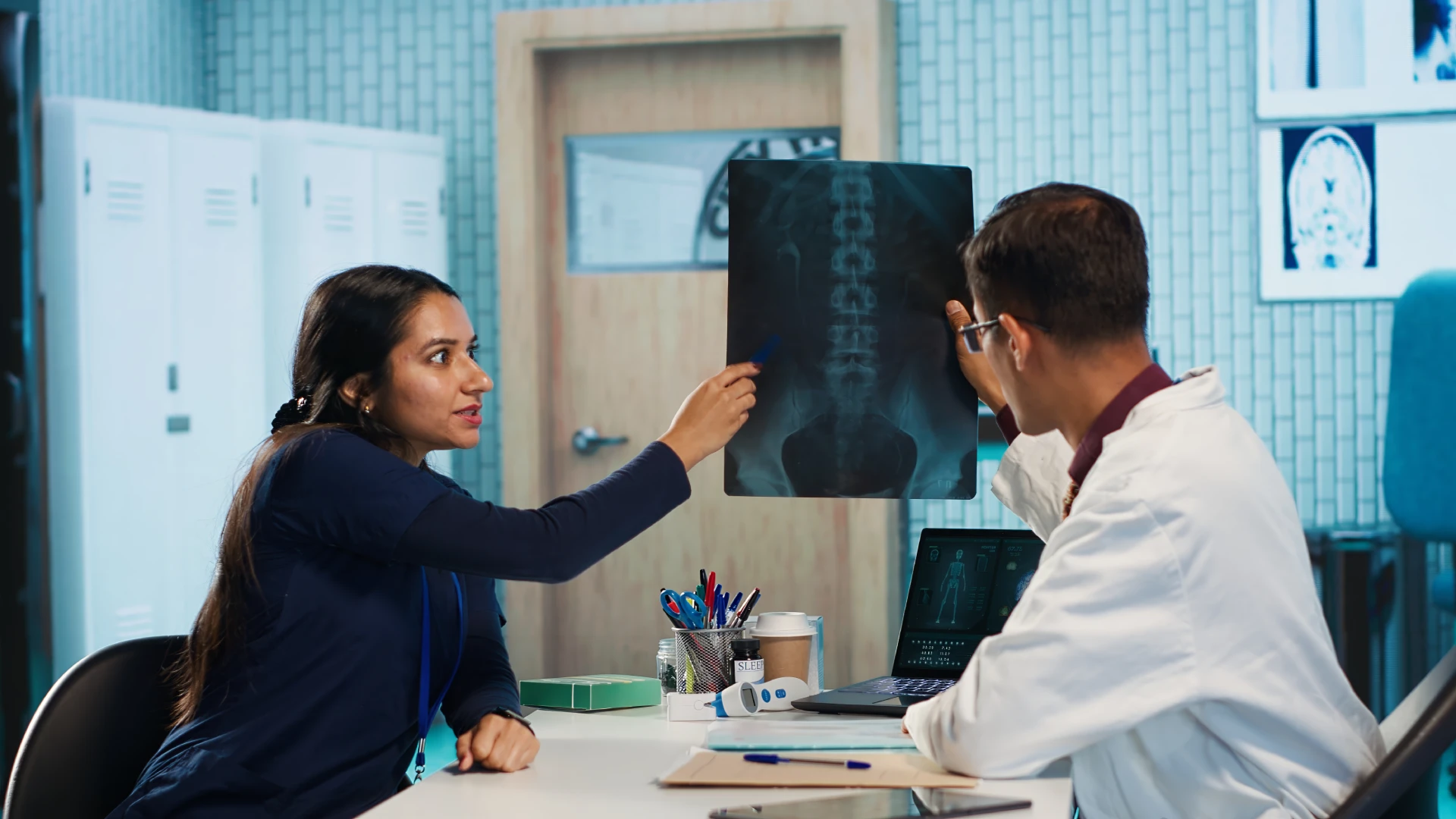
Your bones, joints, muscles, ligaments, and tendons work together to support every movement you make. Whether you’re walking, climbing stairs, playing sports, or lifting everyday objects, a healthy musculoskeletal system is essential for maintaining an active lifestyle.
Ignoring persistent pain or injuries can lead to long-term complications. At Shri Shellapha Hospital, Salem, our orthopaedic specialists provide expert diagnosis and treatment for a wide range of bone and joint conditions, helping patients regain mobility and improve their quality of life.
What Does an Orthopaedic Doctor Treat?
Orthopaedic doctors specialize in diagnosing, treating, and preventing disorders affecting the:
- Bones
- Joints
- Muscles
- Ligaments
- Tendons
- Spine
They manage conditions ranging from fractures and arthritis to sports injuries and chronic back pain.
10 Warning Signs You Shouldn’t Ignore
1. Persistent Joint Pain
Joint pain lasting more than a few weeks should never be ignored. Persistent discomfort in the knees, shoulders, hips, or elbows may indicate arthritis, ligament injuries, or cartilage damage.
2. Chronic Back or Neck Pain
Back and neck pain can result from poor posture, muscle strain, slipped discs, or degenerative spine conditions. If the pain continues despite rest or medication, consult an orthopaedic specialist.
3. Difficulty Walking
Pain while walking, limping, or reduced mobility may be caused by joint problems, fractures, or muscle weakness that require medical evaluation.
4. Swelling Around Joints
Persistent swelling, redness, or stiffness in the joints may indicate inflammation, infection, or arthritis.
5. Limited Range of Motion
If you find it difficult to bend your knee, raise your arm, or rotate your shoulder, it could be due to joint damage or tendon injuries.
6. Bone Fractures or Sports Injuries
Falls, accidents, or sports injuries should always be evaluated by a medical professional. Proper treatment ensures correct healing and reduces the risk of future complications.
7. Frequent Muscle Weakness
Sudden or ongoing muscle weakness may indicate nerve compression, muscle disorders, or spinal issues that require medical attention.
8. Numbness or Tingling
Tingling sensations in the arms, hands, legs, or feet may be associated with nerve compression, slipped discs, or spinal disorders.
9. Joint Stiffness in the Morning
Morning stiffness lasting more than 30 minutes can be an early sign of arthritis or inflammatory joint disease.
10. Pain That Interferes with Daily Activities
If pain prevents you from working, exercising, climbing stairs, or sleeping comfortably, it’s time to seek professional care.
Common Orthopaedic Conditions
Orthopaedic specialists commonly treat:
- Osteoarthritis
- Rheumatoid Arthritis
- Back Pain
- Neck Pain
- Frozen Shoulder
- Knee Pain
- Hip Pain
- Fractures
- Sports Injuries
- Tennis Elbow
- Ligament Tears
- Tendon Injuries
- Osteoporosis
- Carpal Tunnel Syndrome
Tips to Maintain Healthy Bones and Joints
Healthy habits can help protect your musculoskeletal system.
Stay Physically Active
Regular exercise strengthens muscles, improves flexibility, and supports joint health.
Eat Calcium-Rich Foods
Include:
- Milk
- Yogurt
- Cheese
- Green leafy vegetables
- Almonds
Get Enough Vitamin D
Vitamin D improves calcium absorption and supports bone strength.
Maintain a Healthy Weight
Excess body weight places additional stress on your knees, hips, and spine.
Practice Good Posture
Proper posture while sitting and standing reduces strain on your back and neck.
Avoid Smoking
Smoking weakens bones and slows healing after injuries or surgery.
When Should You Seek Immediate Medical Care?
Visit your nearest hospital immediately if you experience:
- Severe fractures
- Sudden inability to walk
- Intense joint swelling
- Severe back pain after an accident
- Loss of movement
- Bone deformity
- Persistent numbness after injury
Prompt treatment can prevent long-term complications.
Diagnosis and Treatment
Depending on your condition, your doctor may recommend:
Diagnostic Services
- Physical Examination
- Digital X-rays
- Laboratory Tests
- Ultrasound
- CT Scan
- MRI Scan (if required)
Treatment Options
- Medications
- Physiotherapy
- Joint Injections
- Fracture Management
- Rehabilitation Programs
- Lifestyle Modifications
- Surgical Consultation (when necessary)
Early diagnosis often leads to faster recovery and better long-term outcomes.
Why Choose Shri Shellapha Hospital?
At Shri Shellapha Hospital, Salem, we provide comprehensive orthopaedic care with a patient-first approach.
Our strengths include:
- Experienced Orthopaedic Specialists
- Modern Diagnostic Facilities
- Personalized Treatment Plans
- Comprehensive Fracture Care
- Rehabilitation Support
- Compassionate Patient Care
We are committed to helping patients return to an active and pain-free life.
Don’t Ignore Persistent Pain
Bone and joint problems rarely improve on their own. Seeking medical attention early can prevent complications and improve recovery.
If you’re experiencing ongoing joint pain, back pain, stiffness, or an injury, schedule a consultation at Shri Shellapha Hospital, Salem for expert evaluation and personalized treatment.
Frequently Asked Questions
When should I see an orthopaedic doctor?
If you have persistent joint pain, back pain, fractures, swelling, or difficulty moving, consult an orthopaedic specialist.
Can joint pain be treated without surgery?
Yes. Many conditions can be managed with medication, physiotherapy, lifestyle changes, and other non-surgical treatments.
How can I keep my bones healthy?
Maintain a balanced diet rich in calcium and vitamin D, exercise regularly, avoid smoking, and attend routine health checkups.
Are sports injuries serious?
Even minor sports injuries should be evaluated to prevent long-term damage and ensure proper healing.
Is back pain always caused by ageing?
No. Back pain can result from poor posture, muscle strain, injuries, or spinal conditions and may affect people of all ages.
